Are you planning to construct or renovate a building and considering using aluminum facade panels?
In this article, we will discuss everything you need to know about aluminum cladding details. Including their types, advantages, installation, and maintenance. By the end of this article, you will have a comprehensive understanding of aluminum facade details and their role in modern construction.
To make sure you can quickly find the information you need, we have prepared a content directory. When you click on it, you will be taken to the corresponding section.
Table of Contents
Types of Aluminum Facade Panels
Aluminum facade panels come in different types, each with its unique features and benefits. The most common types include:
Solid Aluminum Facade Panels
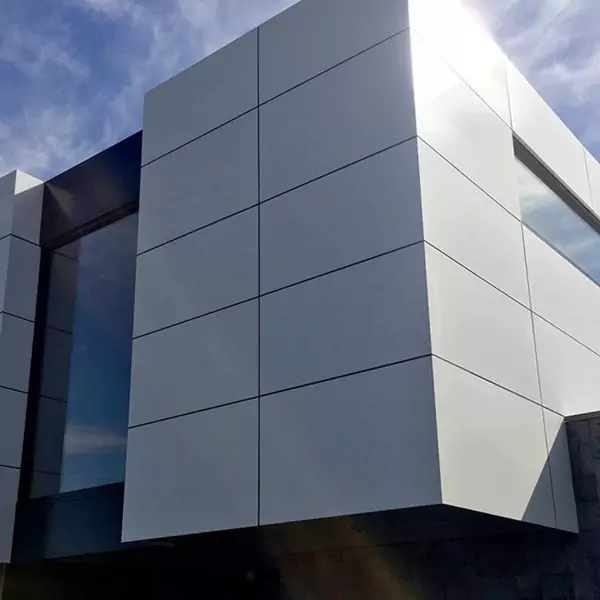
Aluminum facade solid panels are made from a solid block of aluminum. They are strong and durable, with high resistance to impact, weather, and fire. Solid aluminum panels are available in different sizes, thicknesses, and colors to suit different architectural designs.
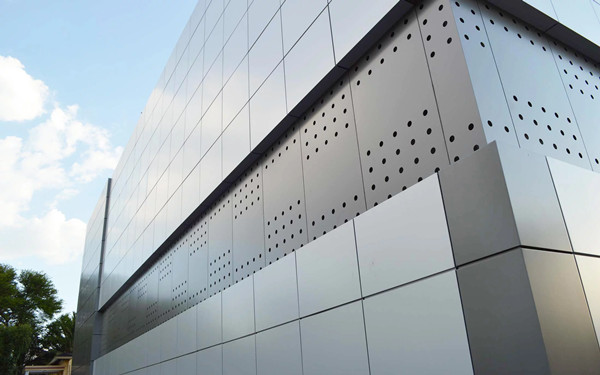
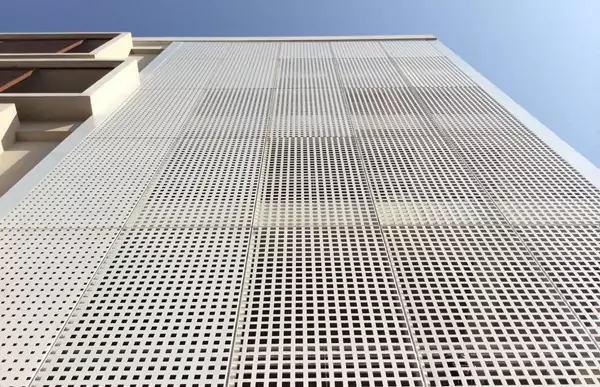
Perforated Aluminum Facade Panels
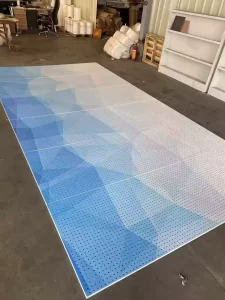
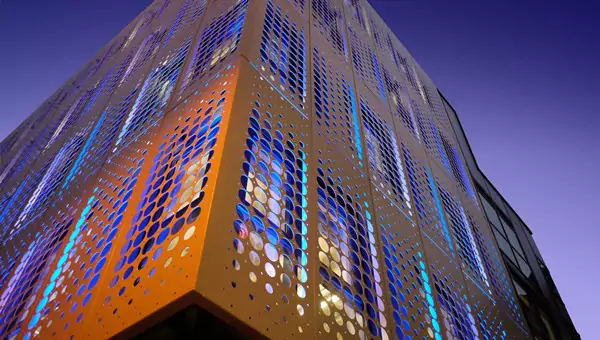
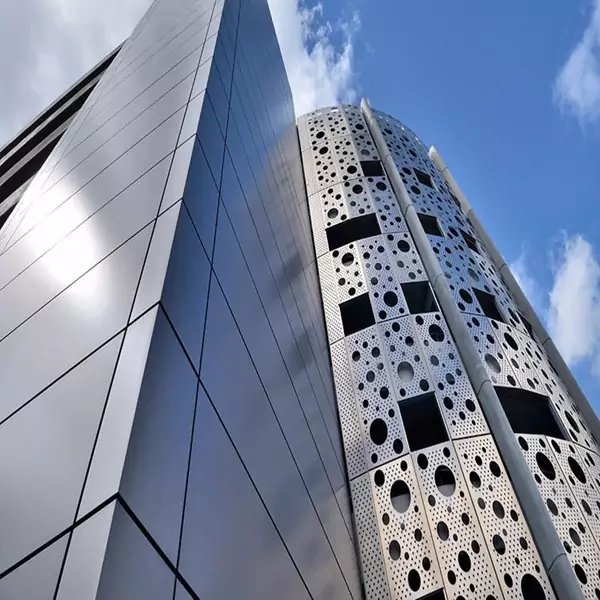
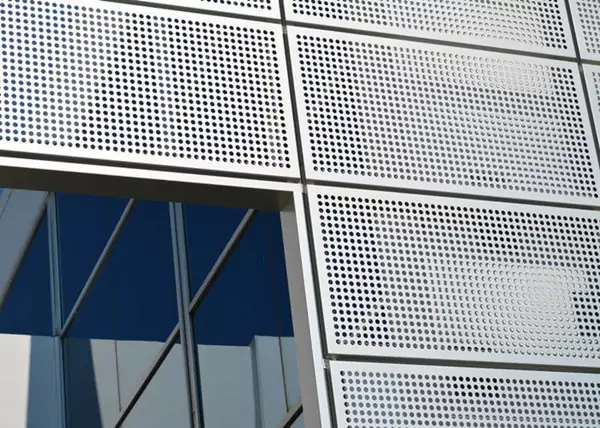
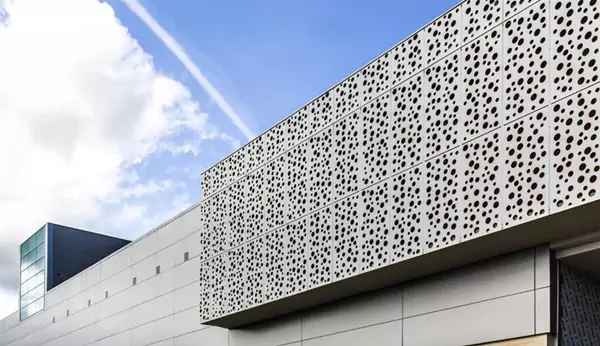
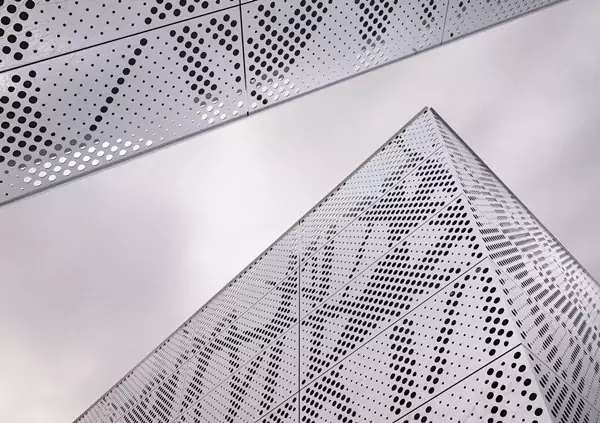
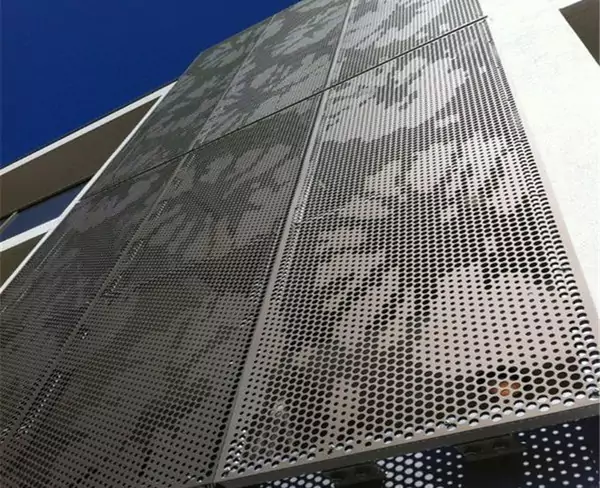
Perforated aluminum facade panels have small holes or patterns that allow air and light to pass through. They are ideal for creating a unique design, improving ventilation, and reducing glare and heat. Aluminum perforated facade panels are available in different shapes, sizes, and patterns to meet different design requirements.
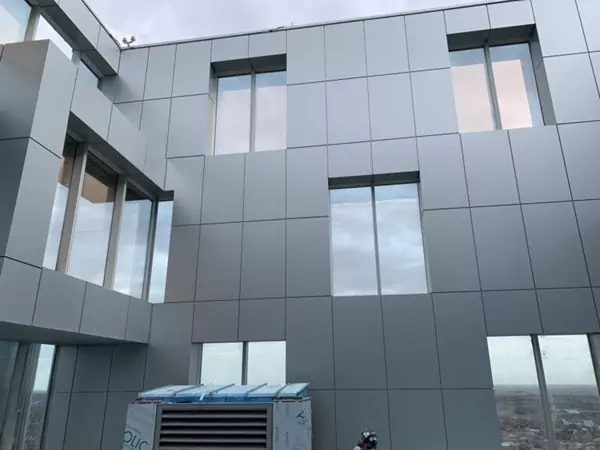
Composite aluminum facade panels are made by sandwiching a core material between two aluminum sheets. The core material can be polyethylene, mineral-filled fire-retardant material, or honeycomb. Composite aluminum panels are lightweight, durable, and easy to install. They are ideal for creating curved and complex shapes.
Advantages of Aluminum Panel Facades
Aluminum facade panels exterior offer numerous advantages, making them an ideal choice for modern construction. Some of the benefits include:
Durability and Longevity
Aluminum panels are resistant to weather, corrosion, and impact, making them highly durable. They have a long lifespan of up to 50 years or more, depending on their quality and maintenance.
Lightweight and Easy to Install
Aluminum panels are lightweight and easy to install, making them ideal for high-rise buildings and structures with complex designs. They are also easy to transport and handle, reducing installation time and costs
Aesthetic Appeal
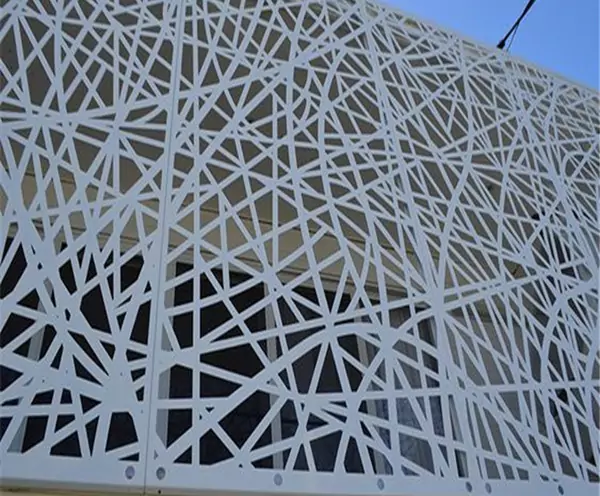
Aluminum panels come in different colors, textures, and patterns, making them ideal for creating unique and eye-catching designs. They can also be customized to meet specific design requirements, adding value to the overall aesthetic appeal of the building
Low Maintenance
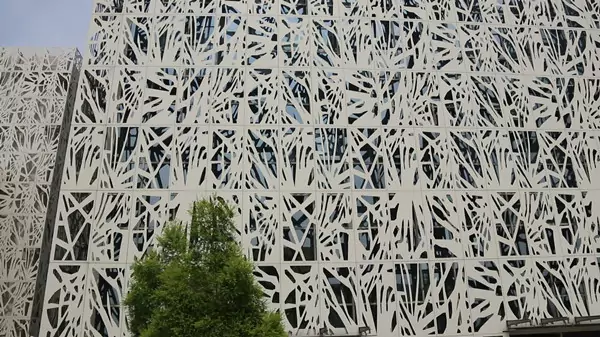
Aluminum panels require minimal maintenance, making them cost-effective in the long run. They only need occasional cleaning and inspection to ensure they are in good condition.
Eco-Friendly
Aluminum facade panels are eco-friendly and sustainable. They are 100% recyclable, reducing waste and environmental impact. They also contribute to energy efficiency by reducing heating and cooling costs.
Common Applications of Aluminum Facade Panels
Aluminum facade panels are versatile and can be used in various applications in modern architecture, including:
Commercial Buildings
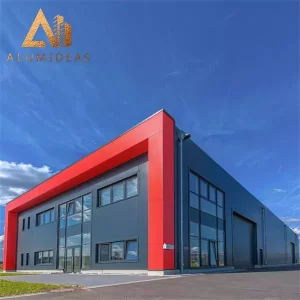
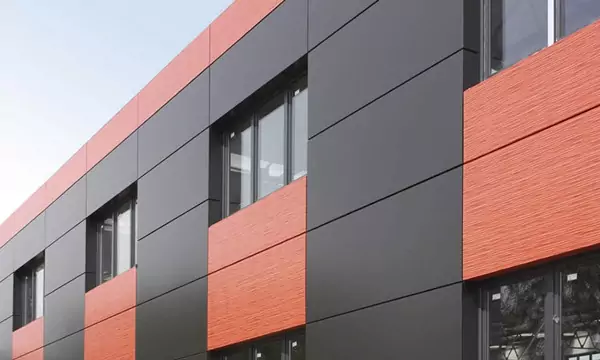
Exterior aluminum panel facades are ideal for commercial buildings such as office towers, hotels, and shopping malls. They provide an attractive and modern appearance while maintaining high durability and low maintenance. Using commercial building facade panels is a new trend in building design.
Residential Buildings
Aluminum facade panels are also suitable for residential buildings, including apartment complexes and houses. They offer a unique and contemporary look by using aluminum perforated sheets, while also providing weather resistance and energy efficiency.
Educational Buildings
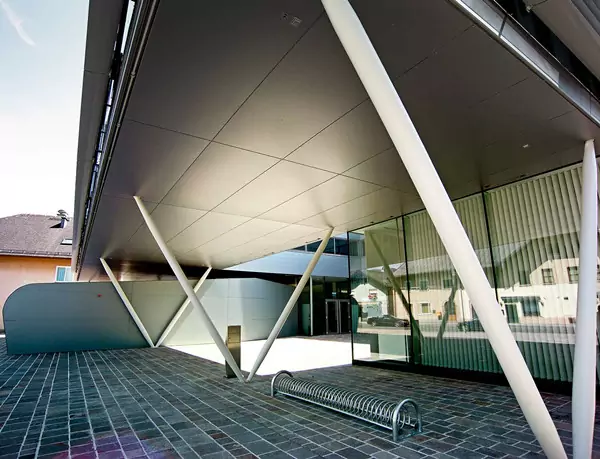
Exterior aluminum panel facades are commonly used in educational buildings, including schools and universities. They provide an attractive appearance and can be customized to meet the specific design requirements of the institution.
.
Healthcare Facilities
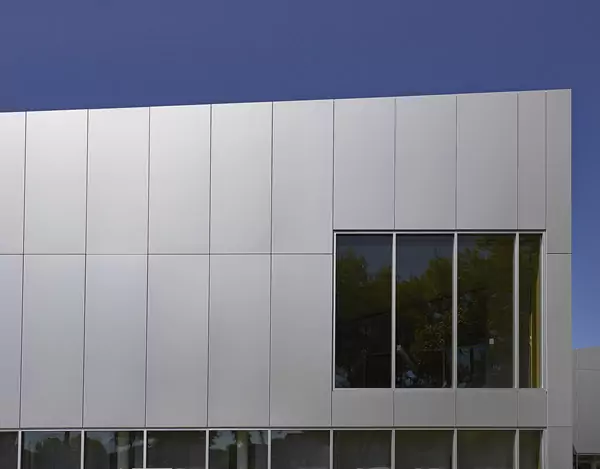
Aluminum facade panels are also used in healthcare facilities such as hospitals and clinics. They provide a sterile and modern appearance, while also meeting high safety and hygiene standards.
Aluminum Facade Panels vs. Other Facade Materials
Aluminum facade panels offer several advantages in wall paneling over other facade materials such as stone, brick, and wood. Some of the benefits include:
1. Cost
Aluminum is more cost-effective than other materials such as stone or brick or stainless steel. They are also lightweight, reducing transportation and installation costs.
2. Durability
Aluminum are more durable than wood or vinyl, which can warp or rot over time. They are also resistant to weather, corrosion, impact, and fire safety.
3. Aesthetic Appeal
Aluminum sheets offer a wide range of colors, textures, and patterns, making them ideal for creating unique and eye-catching designs. They can also be customized to meet specific design requirements.
Installation Guide
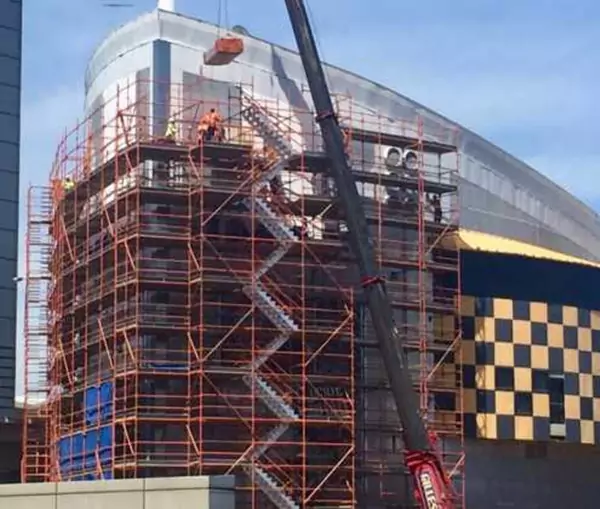
The installation of aluminum facade solid panels requires careful planning and execution to ensure a successful outcome. The following are some of the steps involved in the facade panel installation process:
Design and Layout
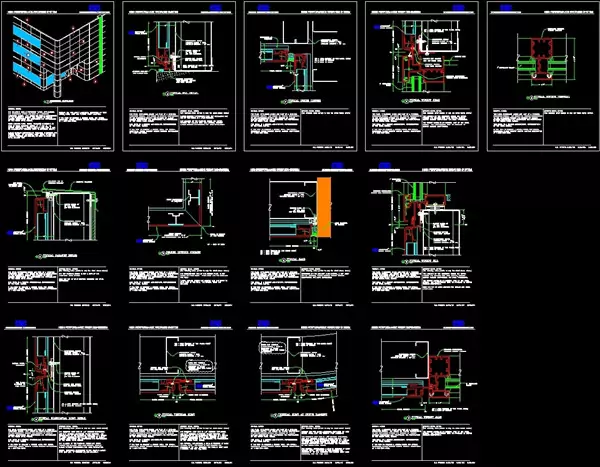
The first step in the installation process is to design and lay out the panels. This involves determining the panel size, shape, and location, as well as the method of attachment and joint design.
Framing and Substrate
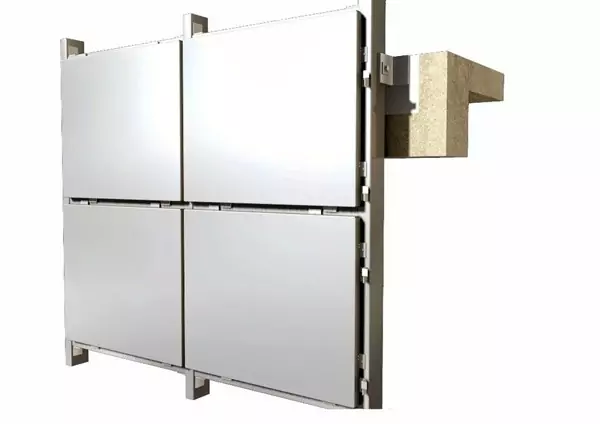
The next step is to install the framing and substrate. The framing provides the support structure for the panels, while the substrate provides a flat and even surface for the panels to attach to.
Panel Installation
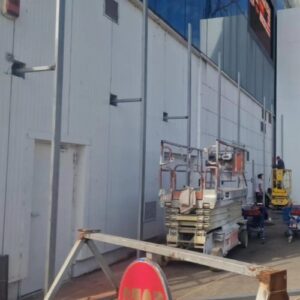
The final step is to install the facade panels. This involves attaching the panels to the framing and substrate using various methods such as mechanical fasteners, adhesives, or a combination of both. It is important to ensure proper spacing and alignment of the panels, as well as sealant application to prevent water infiltration.
Maintenance of Exterior Aluminum Panels Facade
Exterior aluminum panels facade require minimal maintenance, but regular inspection and cleaning are necessary to ensure their long-term performance. The following are some tips for maintaining the panels:
1. Inspection
Regular inspection of the panels is necessary to identify any signs of damage or wear. This includes checking for cracks, dents, or discoloration, as well as ensuring proper attachment and sealant application.
2. Cleaning
The exterior aluminum panels facade can be cleaned using a mild detergent and water solution, followed by rinsing with clean water. It is important to avoid abrasive or acidic cleaners that can damage the surface of the panels.
3. Repair
If any damage is identified during the inspection, it is important to repair it promptly to prevent further damage or water infiltration. This can involve replacing a damaged panel, applying sealant, or addressing any issues with the attachment or framing.
Cost of Aluminum Facade Panels
Aluminum facade panels are a cost-effective option for building exteriors. Aluminum wall sheet prices can vary depending on factors such as panel thickness, size, finish, and customization. However, compared to other facade materials such as natural stone or glass, aluminum facade panels are generally more affordable.
Sustainability
Aluminum facade panels are an eco-friendly option for building exteriors. They are 100% recyclable and can be reused indefinitely, making them a sustainable choice. Additionally, aluminum is a highly abundant material and requires less energy to produce compared to other facade materials.
Safety and Fire Performance
Aluminum facade panels also offer excellent thermal and acoustic insulation, keeping buildings energy-efficient and comfortable. They are highly durable and require minimal maintenance, making them an ideal choice for both commercial and residential buildings.
Insulation and Acoustic Performance
Aluminum facade panels offer excellent insulation and acoustic performance. They can be designed with various insulation materials such as foam or mineral wool to provide thermal insulation and soundproofing. This can help reduce energy costs and improve indoor comfort.
Frequently Asked Questions (FAQs):
1. What is the typical thickness of aluminum facade panels?
The typical thickness of the panels can range from 1mm to 6mm, depending on their intended use and performance requirements.
2. Can aluminum facade panels be recycled?
Yes, aluminum facade panels are 100% recyclable, making them an eco-friendly option.
3. Can sheet panels be painted?
Yes, sheet panels can be painted using a variety of methods such as powder coating or liquid coating.
4. What is the lifespan of aluminum facade panels?
The lifespan can vary depending on their quality and maintenance, but they can last up to 50 years or more.
5. How are aluminum facade panels attached to the building?
Can be attached to the building using various methods such as mechanical fasteners, adhesives, or a combination of both.
6. Are aluminum facade panels suitable for high-rise buildings?
Yes, aluminum facade panels are lightweight and easy to install, making them ideal for high-rise buildings.
7. Can aluminum facade panels be customized to meet specific design requirements?
Yes, aluminum facade panels come in a wide range of colors, textures, and patterns, and can be customized to meet specific design requirements. Alumideas offers different kinds of aluminum facade systems to meet customers’ needs.
Conclusion
Aluminum facade cladding offer numerous benefits for building exteriors, including affordability, sustainability, fire resistance, insulation and acoustic performance, and compliance with building codes and regulations. They are also lightweight and easy to install, making them ideal for high-rise buildings. Proper installation and maintenance, including regular cleaning and application of protective coatings, can help extend the lifespan of the panels and prevent corrosion. As a result, aluminum panels are good building materials and a popular and reliable option for modern building design.
The above are all the aluminum panel facade details, if you need to find the right supplier of aluminum facade cladding system for your project, please feel free to contact us!
Looking For a Facade Supplier For Your Projects?
Alumideas is a aluminum facade manufacturer in China. We provide a one-stop solution for your interior and exterior decorative cladding projects. Ask for a quote now!
We will contact you within 1 working day, please pay attention to the email with the suffix “@www.alumideas.com”.